Immigration: Fact or Feeling?
For essentially the entire history of this country which we call America, immigration has been a hot-button issue which has shaped the development and trajectory of this nation, from the first European immigrants who landed on these shores to rob and murder its inhabitants to the refugees and hopefuls who came through Ellis Island looking for a better life to modern day immigrants who come in all shapes, sizes, colors, and ethnicities, immigration has always been a heated topic of debate in this country. The now common denotation of immigrants as “illegal,” however, is a fairly new piece of rhetoric, only coming into being in the late 19th century with the Chinese Exclusion Act, and didn’t become part of popular rhetoric until after it came to America by way of the British, who used it as a slur against Jewish refugees fleeing Nazi Germany and entering Palestine without being naturalized. The conversation of the moment centers around the building of a border wall, purportedly intended to prevent these “illegal immigrants” from entering the country. We can see a lot of the rhetoric and conversation surrounding the conversation on two fairly distinct sides: conservatives v. liberals, who dominate the conversation as it exists today. A handy way to summarize a lot of this rhetoric is to look through political memes online. These memes in many way capture the spirit of conservative and liberal rhetoric in conversations which occur in the modern day. Here are some examples of conservative memes which are pro-Trump and pro-wall:
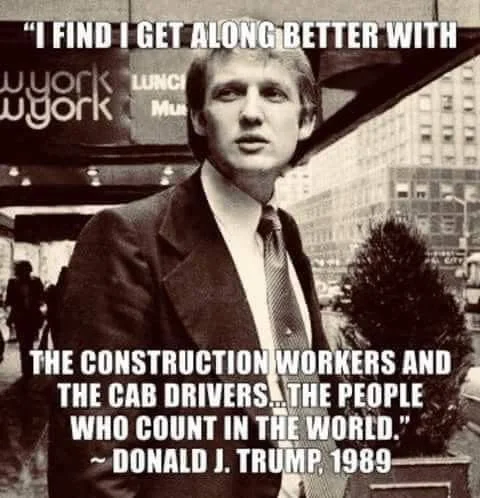
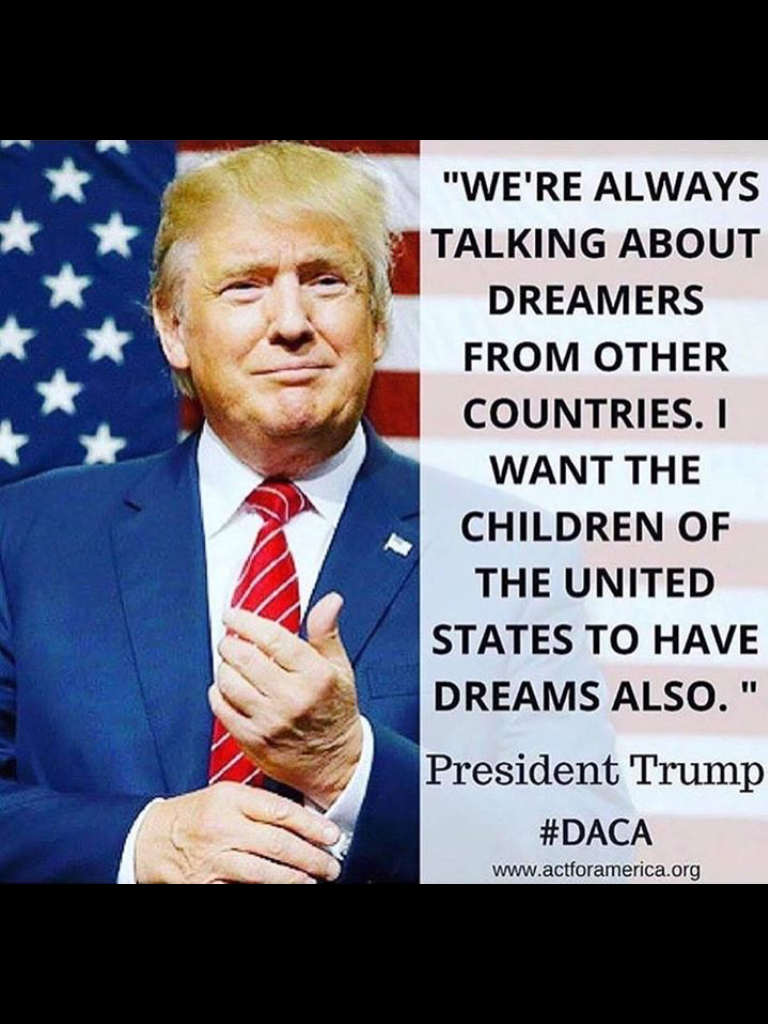
Much like a lot of conservative rhetoric, these memes focus on appealing to a sense of pathos, to a sense of righteousness, to a sense of anger or fear, and to a sense of superiority over the opposition. It also engages ethos by appealing to conservative values, which often include religion, respect for hardworking working class individuals and small business owners, and prioritizing American citizenry, especially women and children. The first meme engages a conservative audience’s sense of pathos and some ethos by associating Donald Trump with values which matter to a conservative audience, respect for the common man, the moral working class, who represent American drive for success and industry. The second engages their sense of ethos by showing that Trump prioritizes the children of America and their future, a major value of conservative individual.
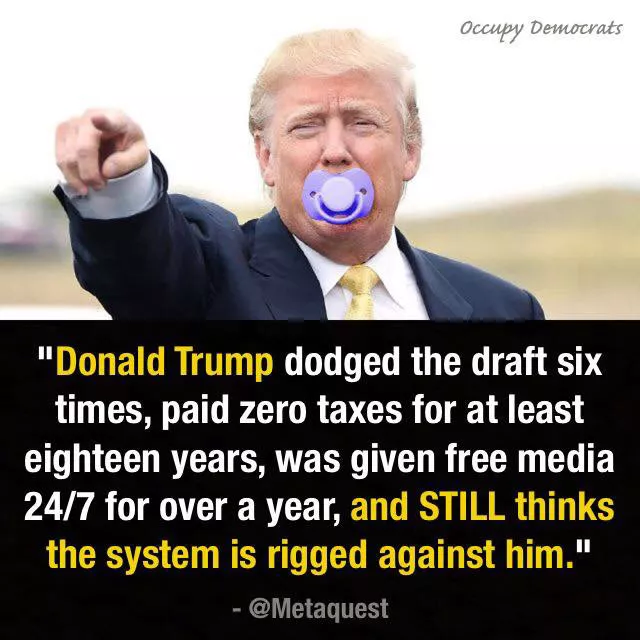
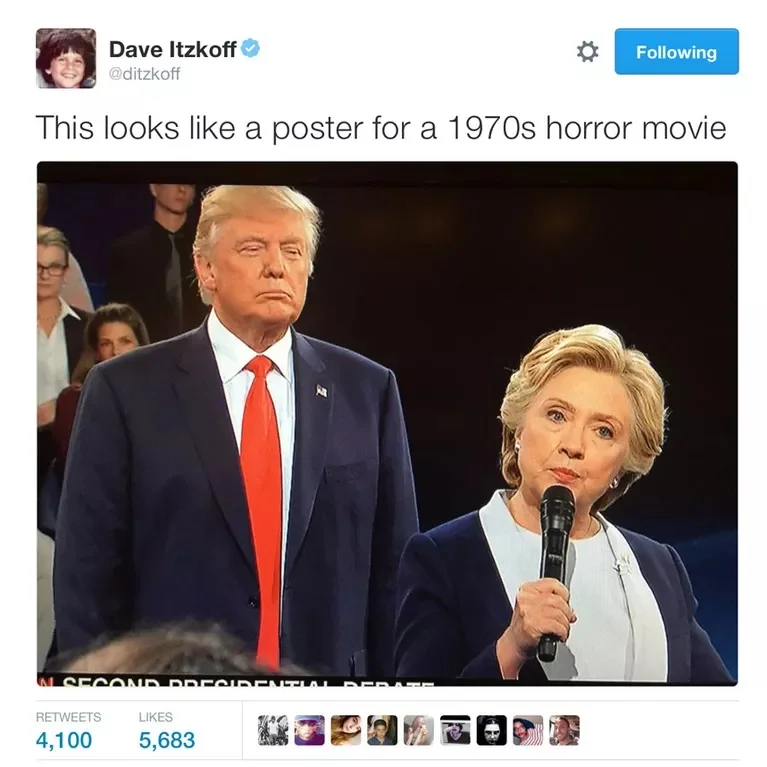
Liberal memes, on the other hand, tend to appeal to logos, kairos, and pathos instead of ethos. Logos in the sense that liberal memers like to state facts and figures and statistics over emotional appeals. The appeal to kairos and pathos often happens when they utilize the form of a meme, which is mainly humorous satire or deconstruction of societal norms, to seize upon the particular moment of the time and comment upon it using humor, relying on enthymeme to get the audience to laugh at it and thereby critically engage with it. The first meme uses logos and pathos, stating facts and figures to convince the audience of the speaker’s ethos, and hits them with pathos at the end by mocking Trump’s attitude towards his situation. The second meme simply utilizes kairos, taking advantage of an event which had just happened at the time of the post, and pathos, relating Trump to a horror movie villians, making him seem both cartoonish and sinister at once in the eyes of a liberal reader. These memes also reflect a liberal tendency in the Trump era to attempt to discredit Trump himself over his specific actions, which is very effective amongst liberal readers who largely already agree with this position, but is not able to cross over to conservative readers very well. Similarly conservative memes often hardline so strictly to a conservative sense of ethos that they are incapable of resonating with a liberal audience. Such is the way that discourse about the border wall occurs, both sides make memes to discredit the other side, which bolsters feeling on each side of the divide but proves almost incapable of crossing over. For this, among other reasons, rhetoric across the lines of liberal and conservative often fails, leaving political discussions at a bit of a stalemate.